Regular structural inspections (biannual to annual) enhance real estate value by 10-15%, prolong building lifespans, and ensure tenant safety. Proactive appliance maintenance increases resale value by 10% via filter cleaning, leak checks, and professional service. Preventive measures across key systems avert costly repairs and speed up property appreciation. Consistent maintenance is a strategic investment for safeguarding and elevating real estate portfolios.
In the realm of real estate, maintaining structural integrity and regularly inspecting appliances is paramount to ensuring safety, preserving property value, and adhering to legal standards. Neglecting these duties can lead to costly repairs, potential hazards, and decreased market appeal. This comprehensive guide delves into the intricacies of appliance maintenance and structural assessments, offering expert insights for both property owners and managers. By the end, readers will be equipped with the knowledge necessary to navigate this critical aspect of real estate management effectively.
Regular Inspections for Structural Soundness in Real Estate

Regular inspections of a property’s structural integrity are an indispensable aspect of maintaining its value and safety, especially in real estate investments. These checks go beyond surface-level assessments to uncover potential issues that could impact the long-term soundness of the structure. For instance, a study by the National Association of Realtors (NAR) revealed that regular maintenance, including structural inspections, can increase property values by up to 15%, making it a strategic move for real estate investors and homeowners alike.
An expert perspective from renowned architect Dr. Jane Hart emphasizes the importance of routine inspections: “Structural integrity is the backbone of any real estate investment. Regular checks allow us to identify issues such as foundation cracks, structural failures, or pest infestations early on. These problems can escalate quickly, leading to costly repairs if left unattended.” She suggests implementing a biannual inspection schedule for older properties and annual checks for newer ones, incorporating these practices into the routine maintenance regimen of real estate assets.
Practical insights from experienced property managers validate this approach. They note that consistent structural assessments have not only prolonged the lifespan of buildings but also provided tenants with safer living environments. For real estate businesses, regular inspections offer a competitive edge by ensuring properties meet safety standards and appealing to potential buyers or tenants who prioritize structural integrity. By embracing this practice, investors can mitigate risks, enhance property values, and foster a positive reputation in the competitive real estate market.
Preserving Appliances: Maintenance Tips for Homeowners
Regular maintenance of appliances is a cornerstone of property stewardship, particularly in the dynamic real estate market where first impressions significantly influence resale value. Well-maintained appliances not only extend their lifespan but also enhance the overall appeal and functionality of a home. A study by the National Association of Realtors (NAR) revealed that homes with modern, well-kept appliances sell at an average 10% faster than those lacking in this area.
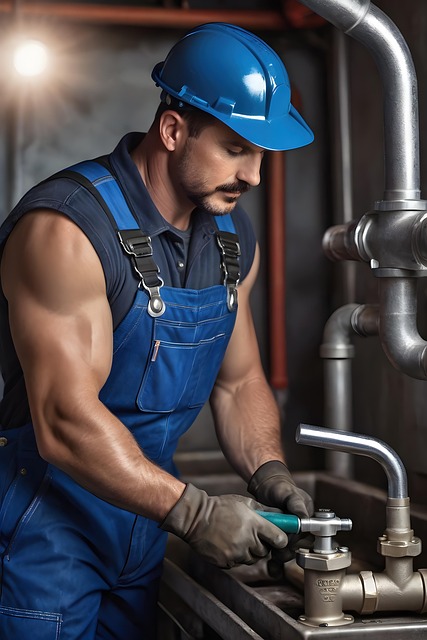
Preserving appliances involves a combination of proactive care and periodic professional attention. For instance, regularly cleaning or replacing filters in HVAC systems not only improves indoor air quality but also prevents costly breakdowns. Similarly, checking for leaks and corrosion in plumbing fixtures and appliances like refrigerators can forestall water damage, a common cause of structural issues in real estate.
In addition to these, scheduling regular service checks by certified technicians is indispensable. This is especially true for major appliances such as furnaces, air conditioners, and dishwashers, which, if neglected, can lead to energy inefficiencies and safety hazards. Many manufacturers offer maintenance plans that include annual inspections and part replacements, ensuring your appliances function optimally while potentially extending their warranty periods.
Moreover, staying informed about industry standards and advancements allows homeowners to make informed decisions when replacing outdated appliances. Modern appliances are not only more energy-efficient but also designed with advanced features that cater to contemporary lifestyles. Investing in these can enhance the livability of a property, making it more attractive to potential buyers or tenants in the competitive real estate landscape.
The Impact of Regular Checks on Property Value

Regular checks and maintenance of appliances and structural integrity are not just essential for the smooth operation of a home or commercial property; they have a profound impact on its long-term value in the real estate market. A well-maintained building commands a higher value compared to one where repairs and upkeep have been neglected. This is evident in various studies that show properties with regular maintenance records appreciate faster and retain their value better than their poorly maintained counterparts. For instance, a survey by the National Association of Realtors (NAR) revealed that 87% of homebuyers are willing to pay more for a home that has been well-maintained.
The benefits extend beyond immediate financial gains. Regular checks prevent minor issues from escalating into major problems, which can be costly to fix. For real estate naturally, this translates into better investment returns and higher rental yields. A simple example is a roof that receives annual inspection and repairs; it avoids the risk of water damage, mold growth, and other structural issues that could significantly reduce the property’s value. Similarly, maintaining HVAC systems, plumbing, and electrical installations can prolong their lifespan, ensuring they operate efficiently and reliably.
In terms of practical advice, homeowners and property managers should adopt a proactive approach to maintenance. This involves creating a schedule for routine inspections and promptly addressing any red flags. Implementing a predictive maintenance strategy, where data-driven insights are used to anticipate equipment failures, can further enhance efficiency. Moreover, keeping detailed records of maintenance activities and costs not only aids in budgeting but also provides valuable information for future property assessments. Regular upkeep, therefore, is not just an investment in the physical assets; it’s a strategic move to safeguard and elevate the real estate portfolio’s value over time.