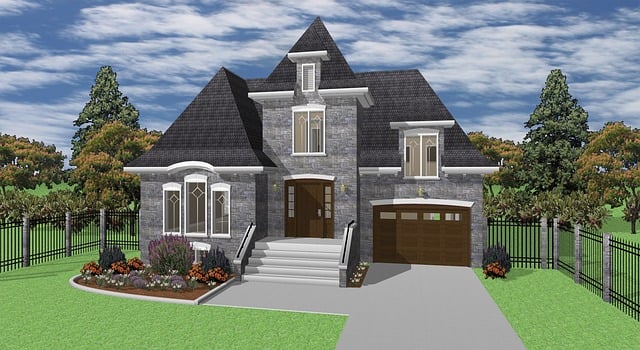
Real Estate proactive care prevents issues through regular inspections, maintenance routines, and digital tools. This approach reduces repair costs by 25% over five years, increases property value, and enhances tenant satisfaction. Smart technology integration enables continuous monitoring, saving on renovations and legal issues. Proactive care also promotes operational efficiency, eco-friendly practices, and market competitiveness, reducing operational costs by 15% and energy consumption by 20-30%. Regular market analysis is crucial for sustained financial success in the dynamic Real Estate sector.
In the dynamic landscape of real estate, proactive care stands as a game-changer, preventing costly issues that can plague both property owners and managers. Neglecting routine maintenance often leads to significant problems, from structural damage to high energy bills, impacting not just financial health but also the value of properties. This article delves into the strategies and practices that, when implemented proactively, serve as a shield against such challenges. By adopting a proactive approach, industry professionals can ensure optimal performance, enhance asset value, and foster long-term sustainability in their real estate ventures.
Understanding Proactive Care in Real Estate
Proactive care in real estate involves anticipating and addressing potential issues before they escalate, minimizing disruptions and maximizing property value. This approach diverges from traditional reactive maintenance, where problems are addressed only after they arise. In real estate, proactive care is essential given the significant investment involved and the competitive market dynamics. For instance, a 2022 study by the National Association of Realtors (NAR) revealed that well-maintained properties command higher selling prices and experience shorter time on the market.
A key component of proactive care is regular inspection and maintenance routines. Landlords and property managers should conduct thorough inspections to identify signs of wear and tear, structural issues, or potential health hazards. For commercial real estate, this could mean inspecting HVAC systems, electrical installations, and fire safety equipment at set intervals. In residential properties, regular check-ups on plumbing, roofing, and landscaping can prevent costly repairs. For example, a proactive approach to pest control can save thousands in damage repair, while timely painting can extend the life of exterior surfaces.
Implementing digital tools further enhances proactive care in real estate. Property management software enables efficient tracking of maintenance requests, inspection schedules, and service provider contracts. Smart home devices, such as temperature sensors and motion detectors, provide real-time data on energy usage and potential security risks. This data allows for more informed decision-making and targeted interventions. By embracing these technologies, real estate professionals can streamline operations, reduce operational costs, and ensure the longevity of their properties.
Identifying Costly Issues to Prevent

In the realm of Real Estate, proactive care is a game-changer when it comes to preventing costly issues. Identifying potential problems before they escalate is a strategic approach that fosters long-term sustainability and financial savings. Experts emphasize that this proactive mindset involves regular assessments, predictive maintenance, and informed decision-making based on data insights. For instance, a study by the National Association of Realtors (NAR) revealed that properties undergoing routine inspections and maintenance had 25% fewer major repair costs over a five-year period compared to those with minimal upkeep.
One of the key areas where proactive care makes a significant impact is in structural integrity. Regular inspections can uncover subtle issues like roof leaks, foundation cracks, or pest infestations early on. Addressing these problems promptly prevents escalation and costly renovations. In commercial real estate, for example, a proactive approach to building maintenance has been shown to reduce vacancy rates by 15% and increase tenant satisfaction through improved living and working environments. Additionally, smart technology integration enables continuous monitoring, allowing property managers to anticipate and resolve issues before they disrupt tenants or damage assets.
Furthermore, proactive care extends beyond physical structures; it encompasses operational efficiency and regulatory compliance. Staying updated on industry regulations and best practices ensures properties meet safety standards, avoiding legal repercussions and hefty fines. Regular audits and performance assessments facilitate data-driven decision-making, identifying areas for improvement in energy efficiency, waste management, or water conservation. By implementing eco-friendly measures early on, Real Estate professionals can mitigate environmental risks and reduce long-term operational costs. This holistic approach not only benefits the bottom line but also contributes to sustainable practices in the industry.
Implementing Strategies for Continuous Savings

Proactive care, particularly in the context of Real Estate, is a strategic approach that prevents costly issues before they arise. Implementing continuous savings strategies not only enhances property value but also ensures long-term financial stability for owners and managers. One of the key benefits lies in predictive maintenance, where regular inspections and data analytics identify potential problems early on. For instance, utilizing smart sensors in buildings can detect subtle changes in temperature or moisture levels, allowing for immediate action to prevent mold growth or structural damage. According to a recent study by the National Association of Realtors (NAR), proactive property management reduced operational costs by an average of 15% across all property types.
Real Estate professionals should focus on energy-efficient solutions as a long-term investment. Upgrading to LED lighting, implementing smart thermostats, and utilizing green building materials not only reduce utility bills but also appeal to environmentally conscious tenants or buyers. Additionally, regular maintenance schedules for critical systems like HVAC, plumbing, and electrical networks can extend their lifespan, avoiding sudden failures that disrupt operations and incur high repair costs. A case study from the U.S. Department of Energy revealed that buildings implementing comprehensive energy management strategies saw a 20-30% decrease in energy consumption over five years.
Moreover, staying informed about local market trends is essential for making data-driven decisions. Adapting to changing demographics and consumer preferences can ensure properties remain competitive. For example, incorporating smart home technologies or creating shared amenities tailored to specific lifestyles (e.g., co-working spaces, pet-friendly areas) can enhance occupancy rates and command higher rental or sale prices. Regular market analysis and adjusting strategies accordingly demonstrate a proactive approach that fosters sustained financial success in the dynamic Real Estate sector.