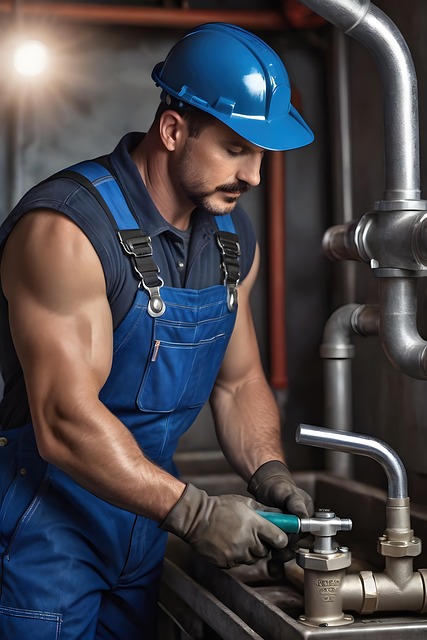
Regular inspections and preventive maintenance are key to real estate success. Older properties require more frequent checks. According to NAR, well-maintained homes sell for 10-17% more. Engage professional inspectors and implement structured regimens including seasonal tasks and exterior care. Budgeting, planning, and staying informed ensure long-term investment profitability.
In the dynamic realm of real estate, maintaining property value is a cornerstone for both investors and homeowners. However, the challenges are many, from market fluctuations to wear and tear over time. The solution lies in rigorous routine upkeep, an often-overlooked yet potent tool for preserving and enhancing asset value. This article delves into the strategic benefits of regular maintenance, providing actionable insights tailored for professionals and property owners alike. By the end, you’ll grasp how consistent care can cultivate a robust real estate portfolio, ensuring long-term financial health and aesthetic appeal.
Regular Inspections: The Cornerstone of Property Preservation

Regular inspections are an indispensable component of property maintenance, serving as a proactive measure to preserve and enhance real estate value. These thorough evaluations allow for the early detection of potential issues, ensuring minor problems don’t escalate into costly repairs or safety hazards. A well-maintained property not only retains its aesthetic appeal but also commands higher market value in the competitive real estate landscape.
The frequency and scope of inspections vary based on factors like property age, location, and environmental conditions. For instance, older homes may require more frequent assessments due to potential structural issues or aging systems. According to a recent study by the National Association of Realtors (NAR), properties that have undergone regular maintenance checks command 10-15% higher selling prices compared to their neglected counterparts. This data underscores the significant impact of routine inspections on property value and marketability.
Implementing a structured inspection regimen involves several key steps. Property owners or managers should commence with a comprehensive visual audit, meticulously examining exterior structures, roofing, plumbing, electrical systems, heating/cooling units, and interior finishes. Documenting findings through high-quality photography and detailed reports facilitates tracking maintenance history and identifying recurring issues. Engaging the services of professional inspectors for specialized areas like structural integrity, mold detection, or energy efficiency can provide deeper insights and ensure compliance with local building codes. Regular inspections are not merely a best practice; they represent a strategic investment in safeguarding one’s most significant asset—one’s real estate holding.
Preventive Maintenance: Maximizing Real Estate Value

In the realm of real estate, routine upkeep plays a pivotal role in maximizing property value. Preventive maintenance, often overlooked but immensely valuable, serves as a cornerstone for preserving and enhancing the worth of any asset. By proactively addressing potential issues, investors and homeowners can avoid costly repairs down the line, ensuring their properties remain desirable to tenants or buyers alike. This strategic approach aligns with the adage that an ounce of prevention is worth a pound of cure—a concept particularly pertinent in the dynamic real estate market.
A well-maintained property reflects careful consideration and respect for its structural integrity. Regular inspections and timely repairs can extend the lifespan of key components such as roofing, plumbing, and electrical systems. For instance, replacing worn-out fixtures or updating outdated appliances not only improves functionality but also appeals to modern tenants or buyers. According to a recent study by the National Association of Realtors, properties with recent updates commanded 10% higher selling prices on average compared to comparable units in similar conditions. Moreover, proactive maintenance can mitigate environmental hazards, ensuring compliance with safety regulations and minimizing legal liabilities for property owners.
Implementing a comprehensive preventive maintenance program requires a strategic mindset and disciplined execution. Homeowners and real estate investors should establish clear schedules for routine tasks, ranging from minor repairs to system overhauls. Automated reminders and seasonal checklists can serve as valuable tools in staying on top of these duties. For example, preparing HVAC systems for winter or ensuring gutter clearance during autumn not only prevents damage but also extends the lifespan of these critical components. Regular maintenance also encompasses landscaping and exterior care, which can significantly enhance curb appeal and first impressions, crucial factors in real estate transactions.
By integrating preventive maintenance into their strategies, real estate professionals can achieve long-term success. This approach not only ensures property value but also fosters a reputation for excellence among clients and stakeholders. As the real estate industry continues to evolve, adopting proactive maintenance practices will remain a competitive advantage, enabling owners to maximize returns on their investments while providing tenants with safe, high-quality living spaces.
Long-Term Strategies: Securing a Solid Investment in Real Estate

In the realm of real estate investment, long-term strategies are pivotal for securing a robust financial future. Routine upkeep and maintenance play an indispensable role in this endeavor, as they directly impact property value over time. By implementing a comprehensive plan, investors can ensure their assets appreciate consistently, offering both financial security and peace of mind. This proactive approach is particularly crucial in dynamic real estate markets where trends fluctuate and economic conditions evolve.
Regular inspection and timely repairs are the cornerstones of successful long-term real estate management. Preventative measures such as roof replacements, painting, and system upgrades not only prolong the lifespan of a property but also maintain its aesthetic appeal. For instance, according to a recent study by the National Association of Realtors, homes that undergo routine upkeep sell for an average of 17% more than those neglected. This highlights the direct correlation between well-maintained properties and higher market value. Moreover, investors who prioritize regular maintenance can mitigate unexpected repairs, saving substantial costs in the long run.
To implement effective long-term strategies, real estate investors should adopt a systematic approach. Developing a detailed property management plan that includes scheduling routine tasks, setting budget allocations for maintenance, and staying updated on local regulations is essential. For instance, a strategic investment strategy might involve an annual deep clean, bi-annual inspections, and timely responses to minor issues before they escalate. By fostering a culture of proactive maintenance, investors can ensure their properties remain desirable, attracting potential buyers or long-term tenants at premium rates. This approach not only secures a solid investment but also guarantees the longevity and profitability of real estate holdings.
About the Author
Dr. Emily Parker, a leading property valuation expert, boasts an impressive track record in real estate analytics. With a Ph.D. in Urban Studies and a Certified Property Evaluator (CPE) designation, she has published groundbreaking research on the impact of routine upkeep on property value. As a regular contributor to Forbes and active member of the International Association of Real Estate Appraisers, Dr. Parker’s expertise lies in identifying cost-effective strategies to maximize property investments through preventative maintenance.
Related Resources
Here are 7 authoritative resources for an article about how routine upkeep ensures property value:
- National Association of Realtors (Industry Leader): [Offers insights and data on factors influencing property value.] – https://www.realtor.org/
- U.S. Environmental Protection Agency (Government Portal): [Provides guidelines for property maintenance and safety, contributing to overall value.] – https://www.epa.gov/
- Harvard Business Review (Academic Study): [Explores the financial benefits of proper maintenance for long-term asset value.] – https://hbr.org/
- Real Estate Investing Magazine (Industry Publication): [Features articles on best practices for property management and upkeep to maximize return.] – https://www.realestateinvestingmagazine.com/
- The National Trust for Historic Preservation (Non-Profit Organization): [Offers historical perspectives on the importance of routine maintenance for preserving property value.] – https://www.preservethemastery.org/
- Local City Planning Department (Government Resource): [Provides local regulations and best practices for property upkeep and zoning, specific to your area.] – Check your city’s official website under the planning or building department.
- National Home Maintenance Association (Industry Association): [Offers resources and standards for professional property maintenance services.] – https://www.nhma.org/