Proactive care in real estate prevents issues through advanced technologies, regular tasks, and sustainable practices. Key benefits include 15-20% cost savings, improved asset management, enhanced tenant safety and satisfaction, and reduced waste. Essential steps for managers: establish clear objectives, define KPIs, prioritize preventive care, integrate technology, and focus on green initiatives. This approach navigates complex management with enhanced success and fosters community among residents interested in environmental conservation.
In the dynamic realm of Real Estate, proactive care is not just a best practice—it’s a strategic imperative. The industry faces mounting challenges, from rising maintenance costs to regulatory complexities, often stemming from overlooked issues that escalate into costly problems. This article delves into the transformative power of proactive care, offering insights into how property managers and investors can prevent significant financial setbacks by identifying and addressing potential risks early. By implementing robust strategies, we’ll explore how this approach fosters sustainable asset value and enhances long-term success in today’s competitive market.
Understanding Proactive Care in Real Estate

Proactive care in real estate involves anticipating and addressing potential issues before they escalate, leading to significant cost savings and improved asset management. Unlike reactive maintenance, which responds to breakdowns, proactive strategies focus on preventing failures through regular inspections, data analysis, and predictive modeling. For instance, smart buildings equipped with IoT sensors can monitor occupancy, temperature, and energy usage in real-time, enabling facility managers to optimize operations and identify anomalies early. According to a study by CBRE, building owners who adopted proactive maintenance practices achieved 15-20% lower total cost of ownership compared to reactive models.
Implementing proactive care requires a holistic approach that integrates advanced technologies with best practices. Real estate professionals should invest in digital tools such as Building Information Modeling (BIM) for detailed asset management, and facility management software to streamline work orders and track performance metrics. Additionally, collaborating closely with experienced service providers who offer proactive maintenance programs can help optimize building systems and extend their lifespans. For example, regular air quality testing and filtration changes in commercial spaces can prevent the spread of diseases like COVID-19, enhancing tenant safety and satisfaction.
To maximize the benefits of proactive care, real estate managers should establish clear objectives, set measurable goals, and regularly review performance data. This includes defining key performance indicators (KPIs) for maintenance efficiency, cost savings, and tenant satisfaction. By adopting a proactive mindset, real estate owners can not only mitigate risks but also enhance the overall value and desirability of their properties. Moreover, prioritizing preventive care contributes to long-term sustainability by reducing waste, energy consumption, and environmental impact, aligning with growing global efforts to achieve net-zero emissions targets.
Identifying Costly Issues Before They Arise

In the realm of real estate, proactive care is a game-changer, preventing costly issues before they arise. Identifing potential problems early on not only saves financial resources but also enhances property value and tenant satisfaction. A study by the National Association of Real Estate Investment Trusts (NAREIT) revealed that preventive maintenance strategies can reduce operational expenses by up to 15% annually. This is achieved through meticulous inspections, data-driven insights, and proactive responses to minor issues before they escalate. For instance, regular HVAC check-ups can identify efficiency gaps, leading to significant energy cost savings and improved indoor comfort.
Expert insights suggest that a well-structured proactive care program should encompass building systems, landscaping, and tenant health and safety. In commercial properties, this might involve routine inspections of electrical panels, plumbing lines, and fire suppression systems. Regular deep cleaning and maintenance of common areas can prevent pest infestations and enhance the overall aesthetic appeal of the property. Moreover, staying attuned to changing tenant needs and preferences allows for timely adjustments to facilities and services, fostering a sense of community and loyalty.
Implementing a proactive care approach requires a blend of technological advancements and human expertise. Property management software equipped with predictive analytics can identify maintenance patterns and anticipate future needs. This data-driven perspective empowers facility managers to schedule tasks efficiently, minimizing downtime and disruption. For instance, smart sensors can detect water leaks or unusual energy usage patterns early, enabling swift action to prevent extensive damage. By integrating these strategies, real estate professionals can navigate the complex landscape of property management with enhanced efficiency and cost-effectiveness, ultimately ensuring long-term success.
Implementing Solutions for Sustainable Properties

Proactive care is a fundamental principle in real estate, preventing costly issues before they arise. In the realm of property management, implementing sustainable solutions not only enhances the longevity of buildings but also fosters environmental stewardship. According to industry experts, facilities that incorporate green initiatives can reduce operational costs by up to 30%. For instance, LED lighting retrofits and energy-efficient HVAC systems have proven to significantly lower utility expenses over time. Additionally, data from the U.S. Green Building Council indicates that LEED-certified buildings command higher rental rates and experience lower vacancy rates compared to their conventional counterparts.
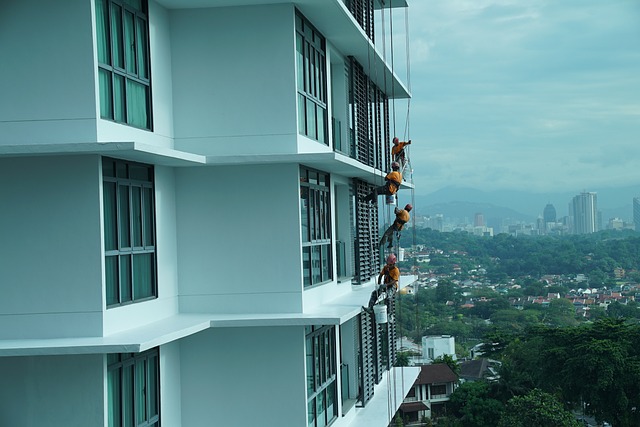
One of the key aspects of proactive care is regular maintenance. Routine inspections can identify potential problems early on, preventing small issues from escalating into costly repairs. For example, a proactive approach to plumbing maintenance can prevent water damage, which is not only expensive to fix but also detrimental to the building’s structural integrity. Similarly, regular painting and sealing of surfaces can protect against moisture intrusion, prolonging the lifespan of walls and roofs. Real estate professionals who prioritize these measures find that their properties remain attractive to tenants and buyers alike, enhancing long-term investment value.
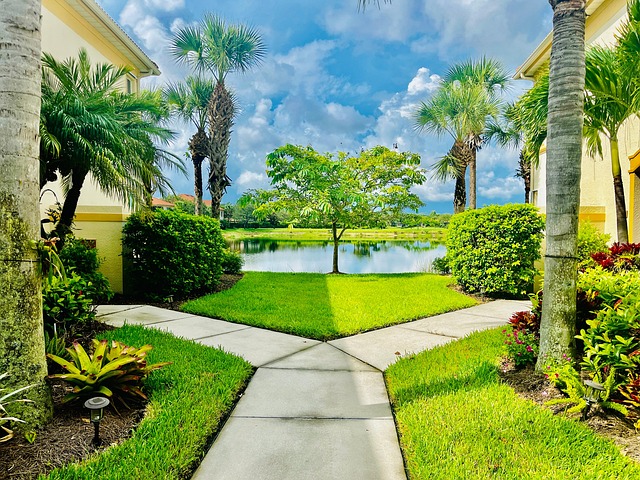
Sustainable practices extend beyond individual buildings; they contribute to a broader, more sustainable real estate market. Implementing green solutions in multi-unit dwellings, for instance, can foster a sense of community among residents who share an interest in environmental conservation. Shared spaces that incorporate native vegetation and rain harvesting systems not only reduce the building’s carbon footprint but also create aesthetically pleasing environments that promote well-being. As the demand for eco-friendly properties continues to grow, real estate investors who embrace sustainability gain a competitive edge, securing both financial returns and positive public perception.